
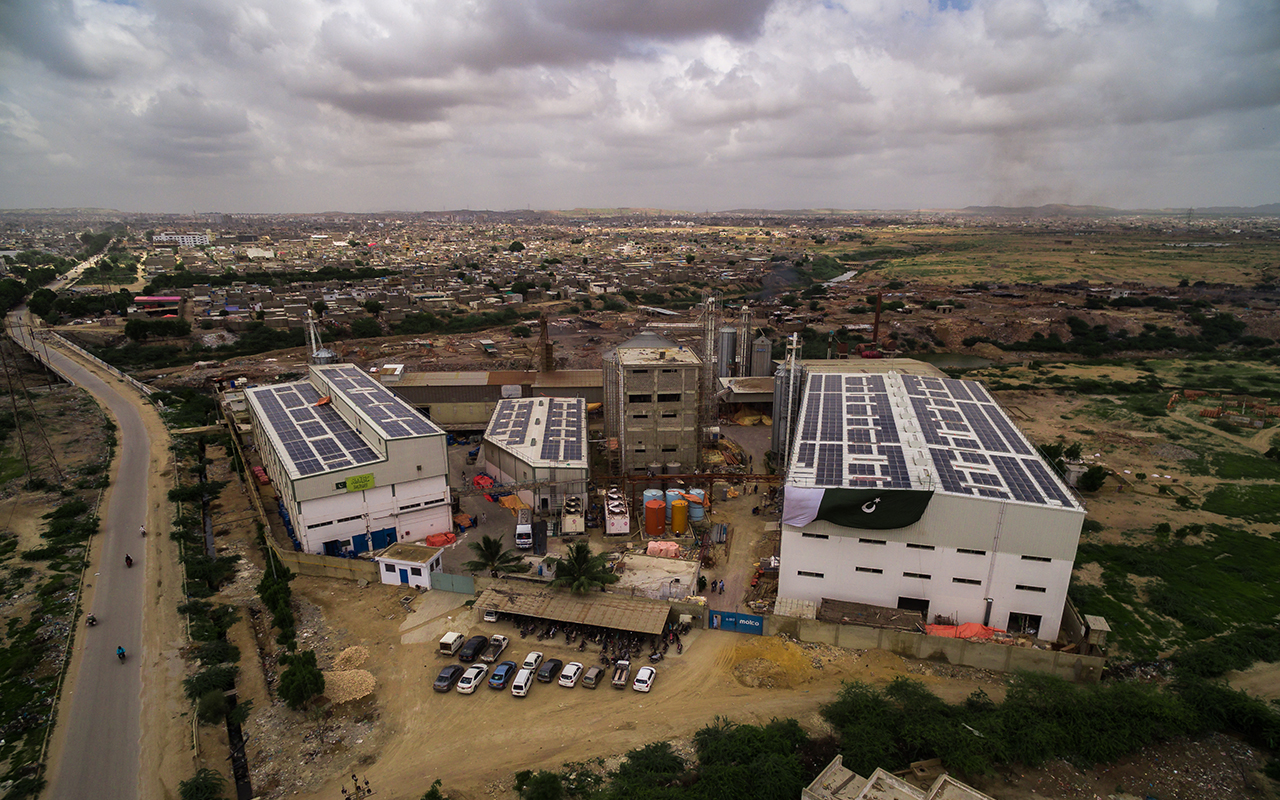
The chief executive officer of the Reon Energy has said the solar power is the ultimate solution for producing cheap electricity to reduce the high costs of power generation and distribution. He told the media in a hotel, “It offers tremendous environmental advantages, besides providing cheap affordable and reliable power. The cost of electricity production and storage, at present, stands at an average 15 and 22 percent. But a smarter use of new solar technologies can help further decrease these costs quite significantly,” he added.
He said his company was one of the pioneering renewable energy companies in Pakistan with technical and financial expertise to design, deploy and maintain operations. “Reon is part of the Dawood Hercules Corporation – which is the single largest contributor to the private energy sector of Pakistan – that controls almost 1,800 megawatts of generation capacity, boasting large-scale ventures such as the Hub Power Company Limited, Sindh Engro Coal Mining Company, Tenaga Generasi Limited and Laraib Energy Limited,” he added.
About the scope of setting up a solar power in Pakistan, he said, “The solar power is an effective solution for producing electricity using the unlimited potential of the sun, while significantly reducing dependence on conventional mediums of energy. The backup batteries help overcome the system’s downtime, in absence of sunlight. Other than the capital expenditure at the beginning of the project, unrestricted electricity can be used throughout the life of the solution. In addition to being economically beneficial, solar offers tremendous environmental gains to the community.”
He said the solar powered cellular towers produce their own energy; hence, energy from generators that require diesel would not be needed at the thousands of telecom cell sites all over the country. In case of electricity shutdowns, cell towers would never be affected; and that their performance would remain consistent, providing uninterrupted connectivity to the whole nation.
“The objectives of moving to renewable energy resources are using natural solar power, reducing energy costs, optimising fuel consumption, minimising run-hour of diesel or petrol generators, low maintenance costs, savings in operational expenses and eco-friendly atmosphere that will minimise operational hazards. We aspire to provide this reliable source to electricity to more people in remote locations and rural areas.”
Author: reon
Home » Archives for reon » Page 3
Home » Archives for reon » Page 3
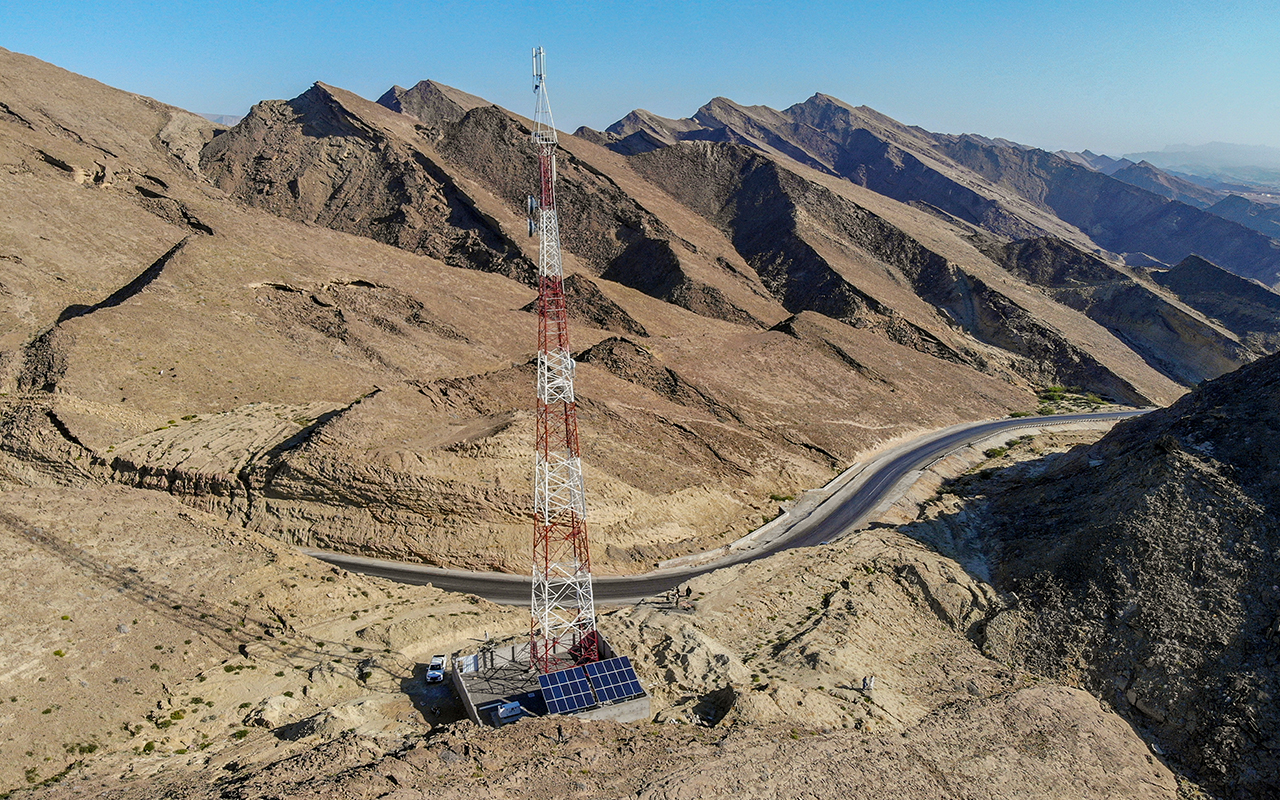
KARACHI:Following the change in technology dynamics, the cellular business sector has come up with a new concept for IT towers. So far more than 10 companies have acquired licences for tower business, among which Edotco and Enfrashare are active players.
Modern inventions like Facebook, Twitter and WhatsApp have completely changed the way of communications for public. However, they have created great challenges for mobile network operators as people now mainly use these mobile applications for most of their communications, making the traditional voice and text services obsolete.
As a result, the mobile network operators (MNOs) are not making as much revenue from voice and text services as they made earlier and in future they might completely lose revenue from the two services.
With the changing dynamics, the cellular companies have shifted their focus more towards wireless internet – mobile data services – as it is needed for every new digital app that has become a necessity now, like ride-hailing apps, communication apps, food service apps and e-commerce marketplace.
All these software, which have made lives easier, need data to be connected, which is why mobile network companies have reformed their business models. “Now, cellular mobile companies are happy to call themselves digital companies rather than mobile network operators,” said Salman Saeed Khalili, Head of Telco at Reon Energy.
Malaysia’s company to invest $100m annually in Pakistan
There was a time, around the end of first decade of the 21st century, when mobile operators competed with each other on the basis of how bigger their network was, said Edotco Pakistan Country Managing Director and CEO Arif Hussain. No company, he continued, wanted to share their towers as that meant losing a competitive edge.
However, each company now has a network of towers in thousands, which is increasing with the growing number of users and new technologies. But that is becoming a burden on them.
Marketing campaigns of Jazz used to revolve around its largest network in the country, which made talking with relatives in far-flung areas more convenient. With the changing scenario, the same company had to deal with Edotco, a tower operating company, headquartered in Malaysia, with its operations spread in Bangladesh, Cambodia, Sri Lanka, Myanmar and Pakistan.
The Malaysian company had to scrap a $940-million deal with Jazz, involving the acquisition of 13,000 cellular towers as approval of the deal was delayed by the authorities.
The company has installed 1,400 towers in an effort to strike a deal with Jazz again or any other MNO for breakthrough. Axiata Group, the parent company of Edotco, is also under the process of merging its operations with Telenor, South Asia.
This transformation has compelled the MNOs to think out of the box and share passive investment in the towers. Pakistan, a country of 208 million people, has achieved cellular subscriptions from 161 million or 76% of the population. The country has 70 million broadband subscribers, including 68 million 3G/4G subscribers.
With the increased number of users and emergence of new technologies like 3G, 4G and most probably 5G, the country needs more and more towers. Currently, the country has 35,000 towers, which are expected to double by 2027.
Engro to invest Rs7.5b in telecom infrastructure
The subscriber density has reached 5,000 users per tower, which is more than double the standard density.
“In developed countries, 2,000 users are connected to every tower,” said Arif Hussain. “This means the country needs more towers in coming years and MNOs can see a significant reduction in capital expenditure and annual operating expenses by outsourcing towers to us,” he said.
MNOs are now outsourcing their towers. In a tower, passive investment, which does not help a mobile network company in generating direct revenue, entails structure of the tower, battery, generator, solar power panel and the guard watching.
Companies like Edotco would arrange these and in return MNOs will pay rent for installing their antenna to disseminate their signals, which then becomes an active investment.
Uptime of towers
Solar power is of great help for towers in far-flung areas. Cellular companies that shared 25% of existing sites on a reciprocal basis have moved towards solar power to ensure uptime – the duration in which the tower remains active.
This was one of the biggest challenges as the country faced electricity shortage for more than a decade, until 2016, when load-shedding went up to 18 hours a day in rural areas, thus affecting the uptime of towers.
Although this was a challenge in cities as well, the situation aggravated in far-flung areas. The network-operating businesses require active signal towers round the clock.
Following the shortfall in electricity supply, a new business, which supplied petrol and diesel to these towers, emerged. However, the system caused trouble for the cellular companies – one of which was fuel theft, as the supplier would write 200 litres of fuel in the books instead of 100 litres that was actually filled in the generator.
Lahore’s tallest building gets green light
Transporting the fuel to the generators in far-flung areas was itself a big challenge as there were areas where motor vehicles could not pass and thus, mules and donkeys had to be employed.
Now, the companies are employing the renewable energy system in great deal, which has resulted in a decrease of up to 30% in average cost per tower, said Salman Saeed Khalili, whose company, Reon Energy, has installed solar panels on more than 250 towers.
He said the renewable energy system would help in maintaining their goal of 99.9% uptime, operating 24 hours a day.
Published in The Express Tribune, July 7th, 2019.
subscribe to dialogue
Stay up to date with latest Reon news and industry innovations
We won’t send you spam. Unsubscribe at any time
Home » Archives for reon » Page 3
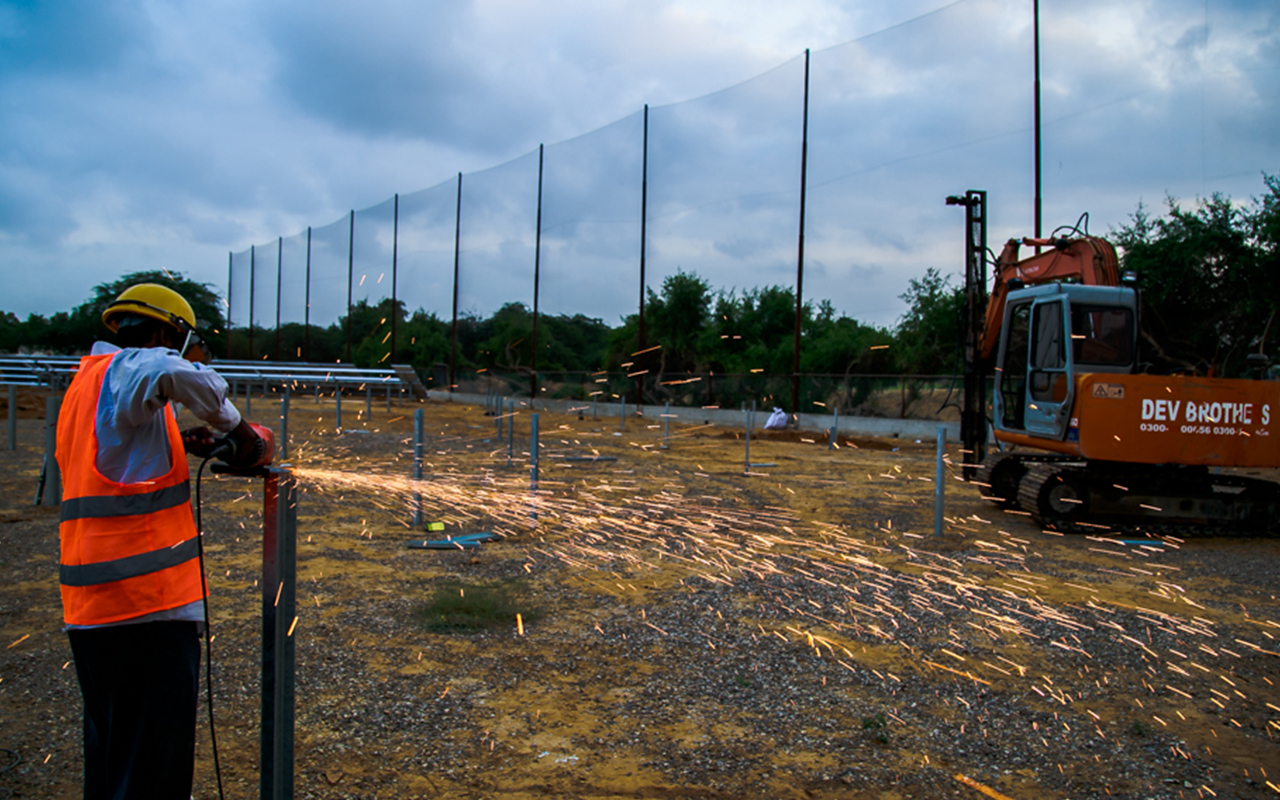
KARACHI: ‘Distributed’ power generation, a befitting response to infrastructure deficit and high energy cost, is gaining popularity in Pakistan’s industrial and commercial setups as it entails production near the consumers and is expected to account for 25 percent of energy mix within the next decade, a senior industry official said.
“The cost of solar panels is declining and production efficiency is increasing rapidly,” Mujtaba Khan, chief executive of Reon Energy said. “We estimate the renewable power generation to account for around 25 percent of the country’s power consumption by 2030.”
Consumers are being attracted towards the low-cost power resources. Commercial as well as industrial units are opting for solar-based power generation, which is now the cheapest source of energy and the cost of such production unit has gone below the gas-based power plants. “A number of textile millers have approached us and we are installing solar power generation systems of over one megawatt capacity,” Khan said.
Reon’s revenues grew multiple times in the last couple of years as solar-based distributed generation is gaining wide-scale acceptance.
Distributed generation is cheaper than conventional, centralised generation because it avoids costs of building transmission lines and the infrastructure needed to supply electricity to homes and businesses. Electricity generation, through renewable resources, accounts for less than five percent in Pakistan, which is one of the lowest in the world.
The International Renewable Energy Agency (Irena) said Pakistan could increase its energy security, improve energy access, and spur social and economic development with renewable energy. Irena, in a latest report, recommended the government to devise a comprehensive distributed power generation plan.
Khan said State Bank of Pakistan, under green financing scheme, allocated six billion rupees to finance renewable energy generation at a flat rate of six percent. “The distributed generation needs an impetus in the form of a properly implemented net-metering policy as presently developing a net-metering facility involves lengthy and complicated procedure,” he added.
Ministry of Energy (Power Division) has already initiated consultative sessions to deliberate upon applicable tariff for net energy delivered by the distributed generations to the grid under net-metering system and whether or not there should be any cap on the capacity to be installed by the distributed generators.
The global distributed generation market is projected to reach to $103.38 billion by 2022 from $60.04 billion in 2017, growing at a compound annual growth rate of 11.48 percent. Growing demand for electric power worldwide and decreasing cost of solar technology are driving the market for distributed generation across the world. Moreover, the commercial segment is expected to hold the largest share of the distributed generation market within next five years.
subscribe to dialogue
Stay up to date with latest Reon news and industry innovations
We won’t send you spam. Unsubscribe at any time