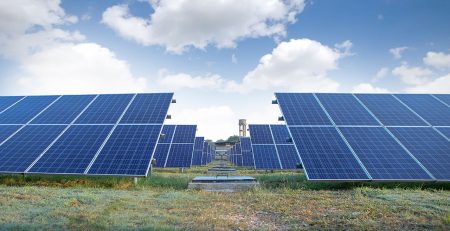
Interloop, a visionary company at the forefront of sustainability, has taken a monumental step towards a greener future by partnering with Reon Energy. Guided by a triple bottom line approach that prioritizes People, Planet, and Prosperity, Interloop is committed to reducing its carbon footprint and making a positive impact on the environment.
As part of its #Vision 2025 rollout, Interloop has set an ambitious goal to achieve a 25% reduction in GHG emissions by 2026 through the large-scale rollout of renewable and clean energy. Previously dependent on gas-fueled captive power plants, Interloop recognized the need to diversify its energy mix to reduce energy costs in light of expected gas tariff hikes.
One of the key objectives of this project was the achievement of green energy targets and obtaining LEED certification. In this regard, Interloop has taken the initiative of installing a 1.9 MW solar power project in their parking shed. The project has brought Interloop closer to achieving its goal of a cleaner, greener future.
By installing this state-of-the-art solar power plant, Interloop will also achieve a levelized cost, leading to a 20% reduction in energy costs compared to traditional gensets. This project showcases Interloop’s unwavering commitment to innovation, sustainability, and corporate responsibility.
subscribe to dialogue
Stay up to date with latest Reon news and industry innovations
Kohinoor Textile Mills Limited (KTML), the epitome of Pakistan’s vertically integrated textile industry, has embarked on a journey of progress and sustainability by partnering with Reon for a series of solar power projects. This brilliant initiative has not only reduced energy costs, which traditionally accounted for over 10% of textile manufacturing, but also mitigated the impact of rising energy tariffs, grid unreliability, and outages.
The pilot project, with a capacity of 1 MW, which was established in Rawalpindi in 2017, was an instant success. It led to the establishment of 6 more solar power projects, totaling 12.5 MW, that generate a staggering 17.074 GHW of energy annually and offset a significant 10,500 tonnes of carbon.
KTML’s captive Solar Plant is a beacon of hope and a testament to the company’s commitment to progress and sustainability, creating roughly 30% savings in energy costs, thereby boosting their competitiveness in the global marketplace.
subscribe to dialogue
Stay up to date with latest Reon news and industry innovations
Liberty Textiles Mills opted for solar to reduce the load on PV gensets and ensure uninterrupted energy supply. The business signed up for a 1.3 MW plant with Reon in 2018 at its facility in Karachi.
This led to two more successive plants in 2021 at Liberty site and Nooriabad plants amounting to an additional 5.2 MW solar project deployment. The solar power project will produce 9,878 MWh of energy annually offsetting carbon emissions by 6,075 tonnes.
The site at Liberty also houses a 21kW outdoor photovoltaic (PV) testing station to test modules of various technologies and system performance under varied weather conditions. The simulated testing site is used to determine long term performance of modules and system reliability.
subscribe to dialogue
Stay up to date with latest Reon news and industry innovations
Premium Textile partnered with Reon in 2020 for a 998.1 kW solar project that would help them offset their energy consumption and reduce their carbon footprint. The business also hoped to meet the sustainability criteria under the GSP (Generalized Scheme of Preferences) that would provide several benefits such as a competitive advantage in trading through relief on import duties by the EU.
subscribe to dialogue
Stay up to date with latest Reon news and industry innovations
The solar power project was installed at Nishat textiles, which is one of the most modern, largest vertically integrated textile companies in Pakistan. Nishat’s vision is to play a meaningful and sustainable role in the economy of Pakistan.
Nishat textiles was purely dependent on gas-fueled captive power plants. Therefore, due to the expected price hike in gas tariffs, Nishat textiles partnered with Reon for solar installation to reduce the energy cost of their current energy mix. By installing the solar power plant, Nishat textiles achieved a Levelized cost leading to 35% of savings vs. on Genset.
subscribe to dialogue
Stay up to date with latest Reon news and industry innovations